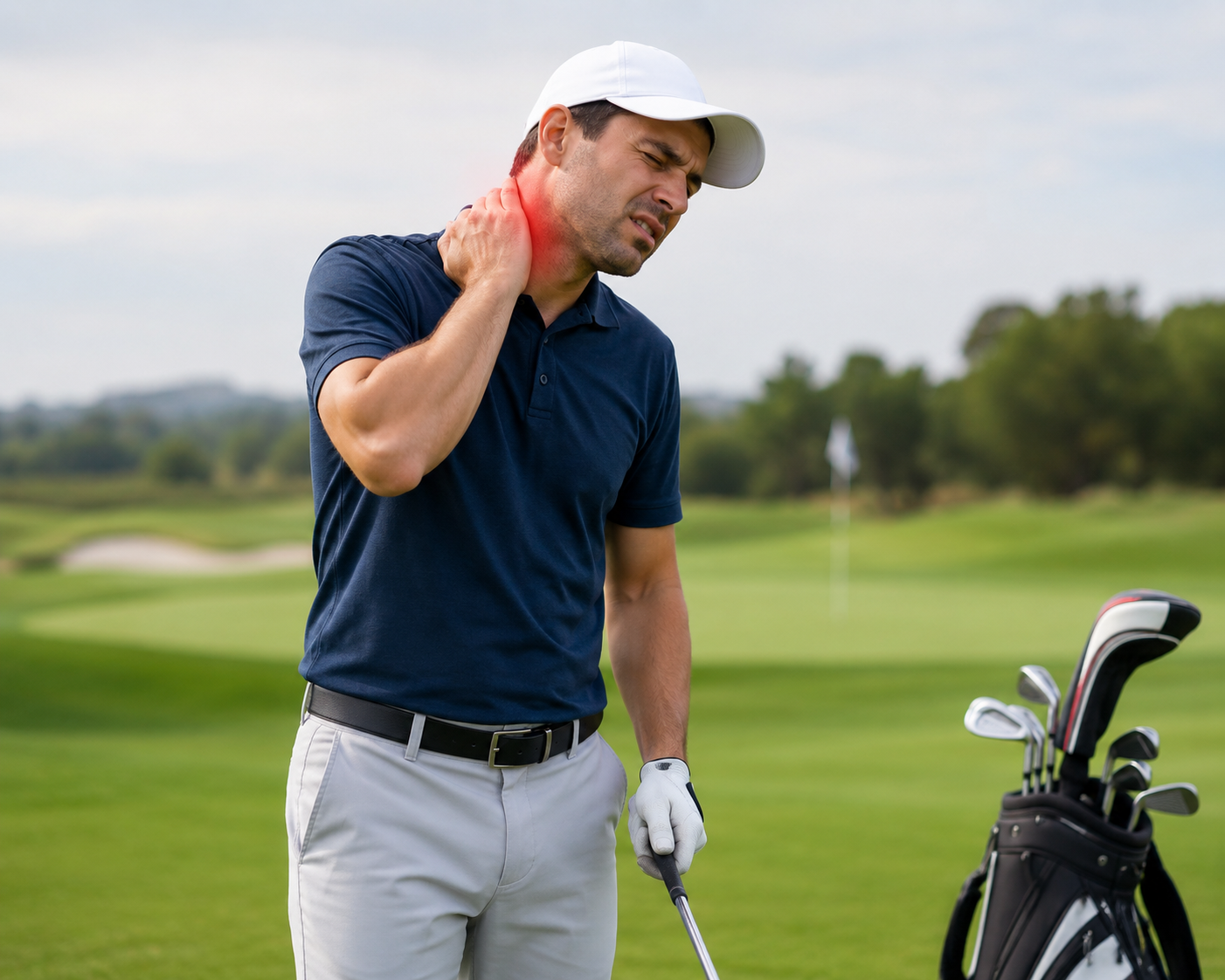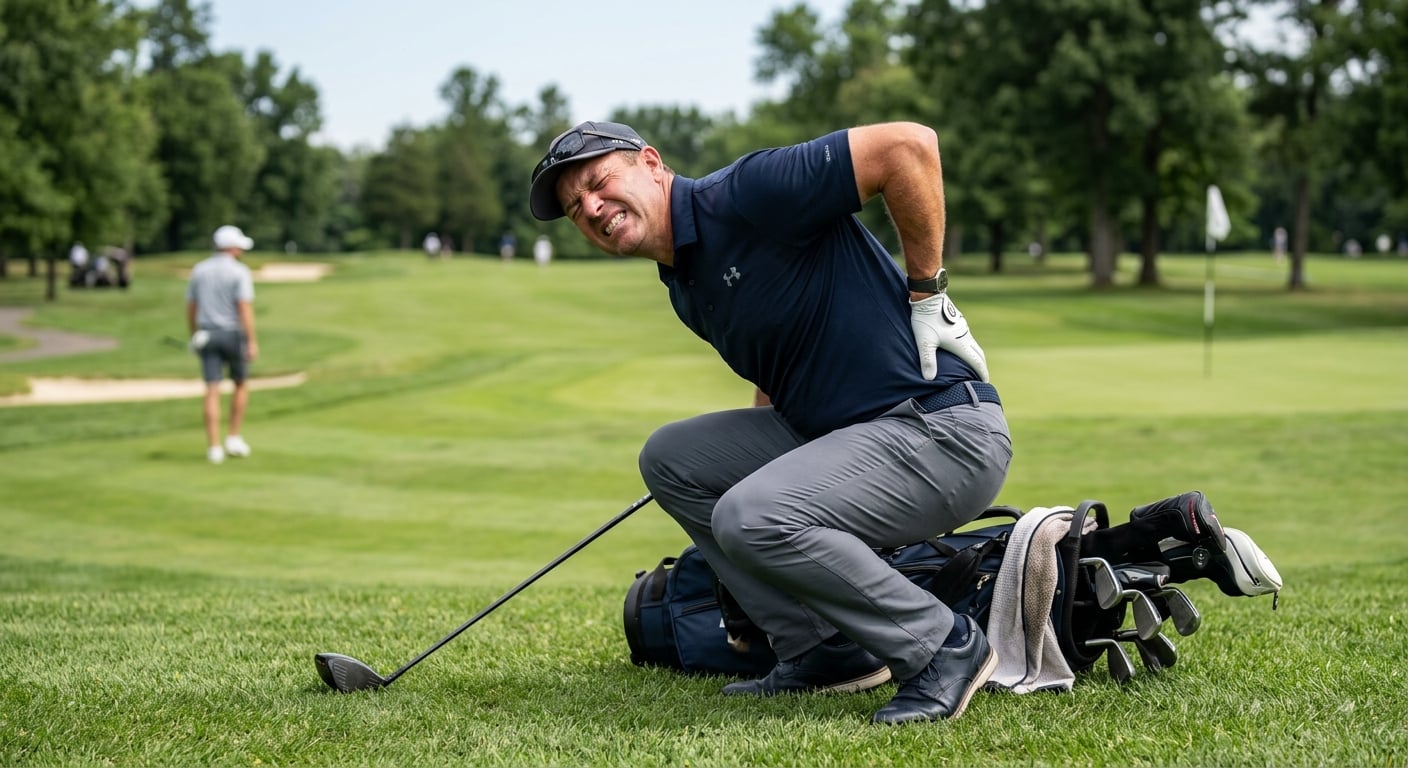

Golf may look like a low-impact sport, but anyone who plays regularly knows that the golf swing places significant demands on the body. Every swing requires a combination of mobility, stability, coordination, strength, and rotational control. When one part of the body is not moving properly, another area may compensate—and over time, that compensation can contribute to pain or injury.
As a sports chiropractor, I frequently work with golfers dealing with injuries that affect the back, hips, shoulders, elbows, wrists, and other areas of the body. The goal isn’t simply to treat the painful area. A sports chiropractic approach looks at why the injury developed in the first place and how the golfer moves through the swing.
At Awaken Chiropractic & Sports Medicine, we work with golfers of all levels, from recreational players to competitive athletes, with the goal of helping them return to golf and continue playing without repeatedly dealing with the same injury.
What Are the Most Common Golf Injuries?
Some of the most common golf-related injuries include:
- Low back pain
- Hip pain and hip mobility restrictions
- Golfer’s elbow
- Tennis elbow
- Shoulder pain
- Rotator cuff irritation
- Wrist and hand injuries
- Knee pain
- Rib and thoracic spine irritation
- Muscle strains
While these conditions can have different causes, many are related to repetitive rotational stress, limited mobility, poor movement mechanics, or suddenly increasing the amount of golf being played.
1. Low Back Pain
Low back pain is arguably one of the most common problems experienced by golfers.
The golf swing requires substantial rotation through the hips and spine. If the hips or thoracic spine aren’t moving adequately, the lumbar spine may be forced to compensate.
Golfers may notice pain:
- During or immediately after swinging
- After playing 18 holes
- When bending over to pick up a ball
- When getting out of the golf cart
- The morning after playing
From a sports chiropractic perspective, simply adjusting the low back may not address the underlying problem.
We may evaluate hip mobility, thoracic rotation, core stability, glute function, hamstring mobility, and swing-related movement patterns to determine what may be contributing to the golfer’s symptoms.
Treatment may include spinal or extremity manipulation, soft-tissue techniques, mobility work, therapeutic exercise, and golf-specific movement recommendations.
2. Hip Pain and Limited Hip Mobility
The hips play an enormous role in the golf swing.
Golfers need adequate hip rotation to create a smooth backswing, transition, and follow-through. Restrictions in hip mobility can increase stress on the pelvis and lumbar spine.
Common complaints include:
- Deep hip pain
- Pain around the outside of the hip
- Hip stiffness
- Difficulty rotating
- Pain after walking 18 holes
Improving hip mobility and strength can sometimes reduce the amount of stress being transferred to the low back.
A sports chiropractor may assess both hips independently because golfers don’t necessarily use their right and left sides in the same way during the swing.
3. Golfer’s Elbow
Despite the name, golfer’s elbow isn’t limited to golfers. It refers to irritation involving the muscles and tendons on the inside of the elbow.
Golfers may experience pain when:
- Gripping a club
- Making contact with the ball
- Carrying a golf bag
- Flexing the wrist
- Repeatedly practicing their swing
Treatment typically focuses on more than the elbow itself.
We may evaluate the wrist, forearm, elbow, shoulder, and even the mechanics of the golfer’s grip and swing.
Soft-tissue treatment, mobility work, progressive strengthening, and load management can all be components of a sports-medicine approach.
4. Tennis Elbow
Tennis elbow involves the outside of the elbow and can also occur in golfers.
Repeated gripping and swinging can place stress on the forearm muscles and their associated tendons.
Golfers may notice pain when gripping a club or during the follow-through.
Treatment can involve soft-tissue work, joint mobilization or manipulation when appropriate, progressive strengthening, and modifying training volume while the irritated tissue recovers.
5. Shoulder Pain and Rotator Cuff Problems
The shoulder is heavily involved throughout the golf swing.
Shoulder problems may develop from repetitive swinging, limited thoracic mobility, poor shoulder mechanics, or inadequate strength.
Golfers may experience:
- Pain during the backswing
- Pain during the follow-through
- Difficulty reaching overhead
- Shoulder stiffness
- Pain when sleeping on the affected side
A sports chiropractor will often look beyond the shoulder itself.
Thoracic spine mobility, scapular movement, rotator cuff strength, and overall upper-body mechanics can all influence how the shoulder functions during the swing.
6. Wrist and Hand Injuries
The hands and wrists are the final link between the golfer and the club, making them susceptible to repetitive stress.
Wrist problems may occur from excessive practice, poor grip mechanics, hitting the ground or other objects, or returning to golf too quickly after a period away from the game.
Symptoms can include:
- Wrist pain
- Pain with gripping
- Reduced grip strength
- Swelling
- Pain during impact
Because wrist injuries can occasionally involve more significant structural problems, persistent or severe symptoms should be properly evaluated rather than simply treated as muscle soreness.
7. Knee Pain
Golf requires repeated rotation, weight transfer, and walking—often several miles during an 18-hole round.
Golfers with previous knee injuries or degenerative changes may notice increased symptoms during or after a round.
A sports chiropractor may evaluate the knee along with the ankle, hip, and pelvis.
The goal is to determine whether restrictions or weaknesses elsewhere are affecting how the golfer loads the knee.
8. Rib and Mid-Back Pain
Rib and thoracic spine discomfort can be particularly frustrating for golfers because rotation is such an important component of the swing.
A golfer may feel a sharp or aching sensation around the ribs or between the shoulder blades after repeated swings.
Limited thoracic rotation can cause the golfer to generate more movement from other areas of the body.
Treatment may include thoracic mobility work, soft-tissue treatment, manipulation when appropriate, breathing mechanics, and exercises designed to improve rotational control.
Why Do Golf Injuries Keep Coming Back?
One of the most important questions I ask golfers is:
“Why does this keep happening?”
If the same injury returns every few weeks or months, treating the painful area alone may not be enough.
Potential contributing factors include:
- Limited hip mobility
- Poor thoracic rotation
- Weak glutes
- Poor core control
- Shoulder mobility restrictions
- Changes in swing mechanics
- Increasing golf volume too quickly
- Poor recovery
- Lack of strength training
- Returning to golf too quickly after an injury
The goal of sports chiropractic care is not simply to make the golfer feel better temporarily. It’s to identify and address factors that may be contributing to the problem.
How Can a Sports Chiropractor Help a Golfer?
A sports chiropractor can take a movement-based approach to golf injuries.
Depending on the individual golfer and injury, treatment may include:
Chiropractic adjustments
Joint manipulation or mobilization may be used to improve movement in areas such as the spine, hips, ribs, shoulders, or other joints when clinically appropriate.
Soft-tissue therapy
Muscles and other soft tissues can become overloaded from repetitive golf swings. Soft-tissue techniques may help improve mobility and decrease muscle-related discomfort.
Therapeutic exercise
Strength and mobility exercises are an important part of long-term injury management.
These may focus on:
- Glute strength
- Core stability
- Hip mobility
- Thoracic rotation
- Shoulder stability
- Rotator cuff strength
- Forearm strength
Movement assessment
Rather than looking exclusively at the painful area, we can evaluate how the entire body moves.
For golfers, that can include assessing rotational mobility, hip function, balance, and movement patterns relevant to the golf swing.
Golf-specific recommendations
Sometimes small changes in training volume, warm-up routines, recovery, or practice habits can make a significant difference.
When Should a Golfer See a Sports Chiropractor?
You don’t necessarily have to wait until an injury becomes severe.
Consider getting evaluated if you have:
- Pain that repeatedly returns after playing
- Pain that changes your golf swing
- Persistent back or hip stiffness
- Shoulder or elbow pain that affects your grip or swing
- Pain that lasts for several days after playing
- Recurrent sports injuries
- Difficulty rotating through your swing
- Loss of strength or mobility
A sports chiropractor can also be useful for golfers who aren’t currently injured but want to improve mobility, movement quality, and physical preparation for the golf season.
Chiropractic Care Is About More Than the Adjustment
For golfers, effective sports chiropractic care should be about more than simply getting adjusted and walking out the door.
The golf swing is a complex movement involving the feet, ankles, knees, hips, pelvis, spine, shoulders, elbows, and wrists.
When one area isn’t doing its job, another area may have to compensate.
That’s why our approach at Awaken Chiropractic & Sports Medicine is focused on the entire athlete—not just the location of the pain.
Whether you’re dealing with back pain after 18 holes, an irritated elbow, restricted hip rotation, or a recurring shoulder problem, the objective is to determine what’s contributing to the problem and develop a plan that helps you get back to golf and keep playing.
Ready to Get Back on the Course?
Golf injuries don’t always require you to stop playing completely, but continuing to play through an unresolved problem can sometimes make recovery more difficult.
If you’re experiencing recurring pain or your injury is affecting your golf swing, a sports-medicine evaluation can help identify the underlying movement limitations and determine an appropriate treatment plan.
Awaken Chiropractic & Sports Medicine serves golfers in Parker, Highlands Ranch, Lone Tree, Castle Rock, and the surrounding South Denver area.
If you’re a golfer dealing with back pain, hip pain, shoulder pain, elbow pain, or another golf-related injury, contact Awaken Chiropractic & Sports Medicine to schedule an evaluation.