
Cupping therapy has become one of the most requested holistic treatments in the Parker community—and for good reason. As more people look for natural, drug-free solutions to pain, muscle tightness, and chronic tension, cupping continues to stand out as a highly effective and versatile therapeutic option. Whether you’re an athlete recovering from a workout, a busy professional dealing with tight shoulders, or someone seeking long-term relief from chronic discomfort, cupping can offer meaningful results.
In this article, we explore why our Parker clinic strongly recommends cupping therapy, what you can expect during a session, and how this ancient technique supports modern-day wellness.
Understanding Cupping Therapy: A Natural Approach to Body Relief
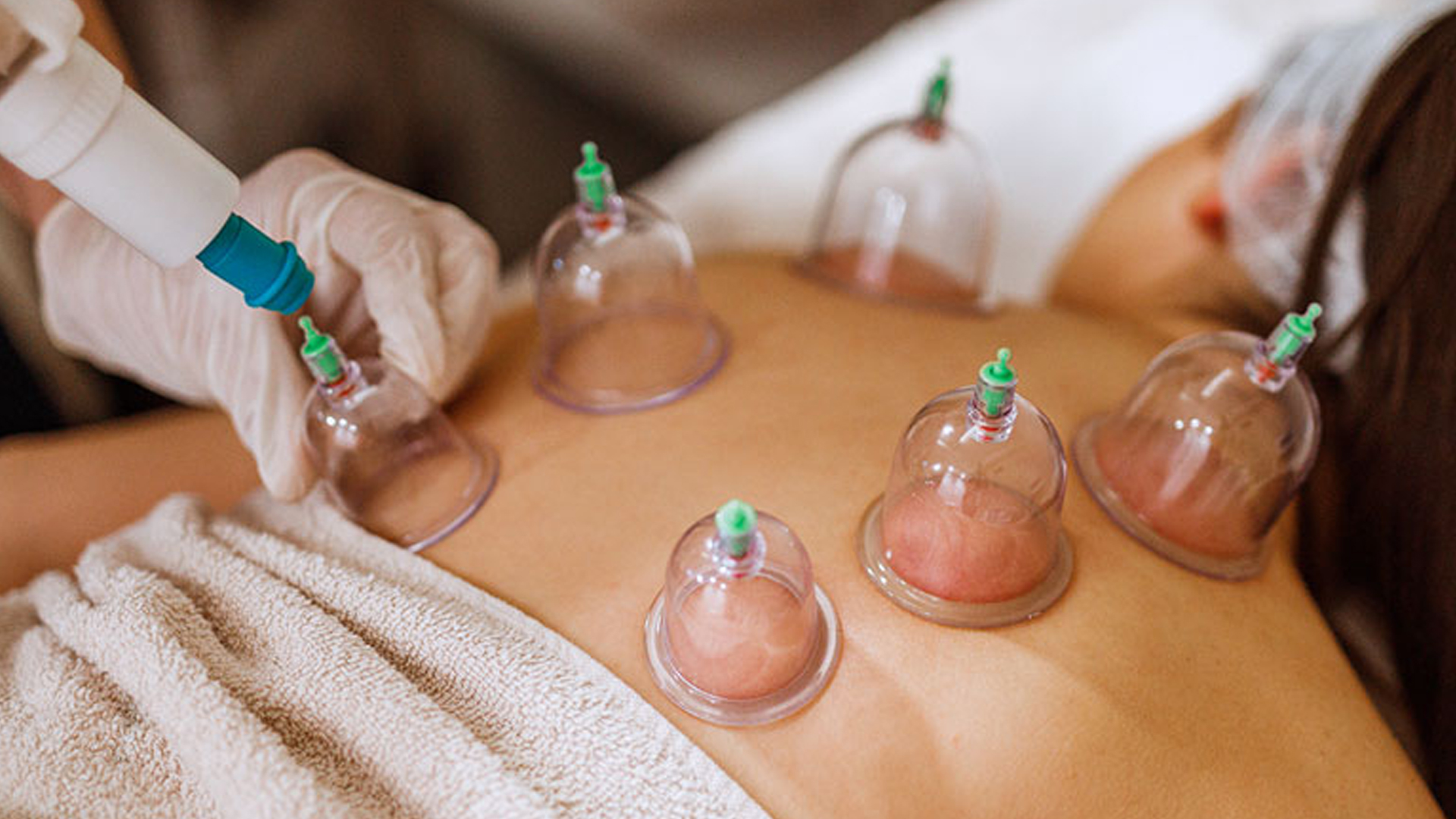
Cupping therapy is a traditional healing method that uses suction to gently lift the soft tissues of the skin and underlying muscles. This suction increases circulation, reduces inflammation, and promotes a natural healing response in the body. At our Parker clinic, we use both traditional fire cupping and modern silicone or pump-style cupping, allowing us to tailor the treatment to your comfort and needs.
How Cupping Works
During the session, suction cups are applied to areas of tightness or discomfort. As the tissues lift, several therapeutic effects occur simultaneously:
-
Improved blood flow to the affected region
-
Release of muscle knots and fascial restrictions
-
Reduction of inflammation
-
Removal of metabolic waste and stagnation
-
Relaxation of nervous-system tension
These changes allow the muscles to soften, the joints to move more freely, and the body to enter a deeper state of healing.
Why We Recommend Cupping for Pain and Tension
1. It Provides Deep Muscle Relief Without Excess Pressure
Many people come to our Parker clinic because they want relief from muscle pain but find deep-tissue massage too intense. Cupping offers a different approach. Instead of compressing the tissues, it lifts them. This decompression releases tight fascia, reduces trigger points, and softens muscle fibers—all without the discomfort that can come from heavy pressure.
2. Increases Circulation Where Your Body Needs It Most
Pain often exists where blood flow has been reduced. Cupping reverses this problem by pulling fresh, oxygen-rich blood into stagnant areas. This increased circulation:
-
Speeds up recovery
-
Helps heal micro-tears
-
Reduces inflammation naturally
-
Supports long-term tissue repair
Our clients often report feeling lighter, looser, and noticeably more mobile after just one session.
3. Reduces Stress and Promotes Nervous System Relaxation
Chronic tension is often linked to stress. As suction cups gently lift the tissue, the parasympathetic nervous system (the “rest and relax” response) activates. This lowers stress hormones, calms the mind, and encourages deep relaxation. Many clients describe cupping as “surprisingly calming,” especially when combined with therapeutic massage.
4. Helps Treat Common Conditions Seen in Parker Residents
Based on the patterns we observe in our clinic, some of the most frequent issues cupping helps with include:
-
Neck and shoulder tightness from computer work
-
Lower-back pain from long commutes
-
Tension headaches and migraines
-
Athletic muscle tightness and delayed-onset soreness
-
Sciatica and hip tightness
-
Chronic stress and sleep problems
Because cupping isn’t invasive and can be adjusted to your comfort level, it’s ideal for both acute pain and long-standing tension.
5. Complements Massage, Chiropractic Care, and Physical Therapy
Cupping doesn’t replace other therapies—it enhances them. We often integrate cupping into massage and wellness sessions to create a multi-layered approach to healing. When combined with chiropractic care or physical therapy, cupping can significantly accelerate progress by loosening tissues and making adjustments or exercises easier.
What to Expect at Your First Cupping Session in Parker
For those new to cupping therapy, here’s what typically happens during a visit to our clinic:
1. Consultation and Assessment
We start by discussing your pain, tension patterns, daily habits, and wellness goals. This helps us determine which type of cupping—static, moving cupping, fire cupping, or silicone cupping—will be most effective.
2. Preparing the Area
The therapist applies a light oil or lotion to help the cups glide smoothly if moving cupping is used. We prioritize comfort from start to finish.
3. Application of Cups
Depending on your needs, cups may remain stationary (static cupping) or be gently moved along the muscles (gliding cupping). Expect mild suction pressure, similar to a firm massage stretch—but not painful.
4. Relaxation Period
Cups typically stay in place for 5–15 minutes. This is your time to breathe deeply and allow your muscles to unwind.
5. Aftercare and Recommendations
You may notice circular marks on your skin afterward—these are NOT bruises. They are simply areas where blood flow has increased or stagnation has been released. They usually fade within a few days.
We also provide guidance on hydration, stretching, and follow-up treatments to maximize the benefits.
The Science Behind the “Cupping Marks”
One of the most common questions we hear is, “Why does cupping leave marks?” These marks aren’t bruises. Bruising results from trauma; cupping marks come from increased circulation and the release of stagnation. Their color can tell us about what’s happening under the skin:
-
Light pink → mild tension
-
Red → healthy blood flow
-
Dark purple → deep stagnation or chronic tightness
As circulation improves over future sessions, marks usually become lighter and fade faster.
Who Can Benefit from Cupping Therapy?
Cupping is safe for most people and especially helpful for those experiencing:
-
Chronic pain
-
Muscle knots
-
Stress and anxiety
-
Poor circulation
-
Tight fascia
-
Limited range of motion
-
Sports injuries
Athletes, office workers, busy parents, and seniors in the Parker community all benefit from the natural healing power of cupping.
However, cupping may not be recommended for pregnant individuals (on the abdomen or low back), people with certain skin conditions, or those taking blood thinners. We always complete a health screening to ensure cupping is appropriate.
Why Choose Our Parker Clinic?
Our clinic stands out because of our personalized, integrative approach. We don’t believe in one-size-fits-all therapy. Every cupping session is tailored to your body’s needs. Here’s what sets us apart:
-
Experienced, certified practitioners trained in multiple cupping styles
-
Customized treatment plans combining massage, cupping, stretching, and wellness coaching
-
Comfort-focused environment designed for relaxation and recovery
-
Holistic philosophy—we aim to treat the root cause, not just the symptoms
We’re dedicated to helping Parker residents feel better, move better, and live with less pain.
Final Thoughts: A Natural Path to Pain Relief
Cupping therapy isn’t just a trend—it’s a powerful healing tool rooted in centuries of practice and backed by modern wellness understanding. At our Parker clinic, we recommend cupping because we’ve seen firsthand how effectively it reduces pain, improves mobility, and relieves tension for our clients.
If you’re ready to experience natural, long-lasting relief, cupping therapy may be exactly what your body needs.