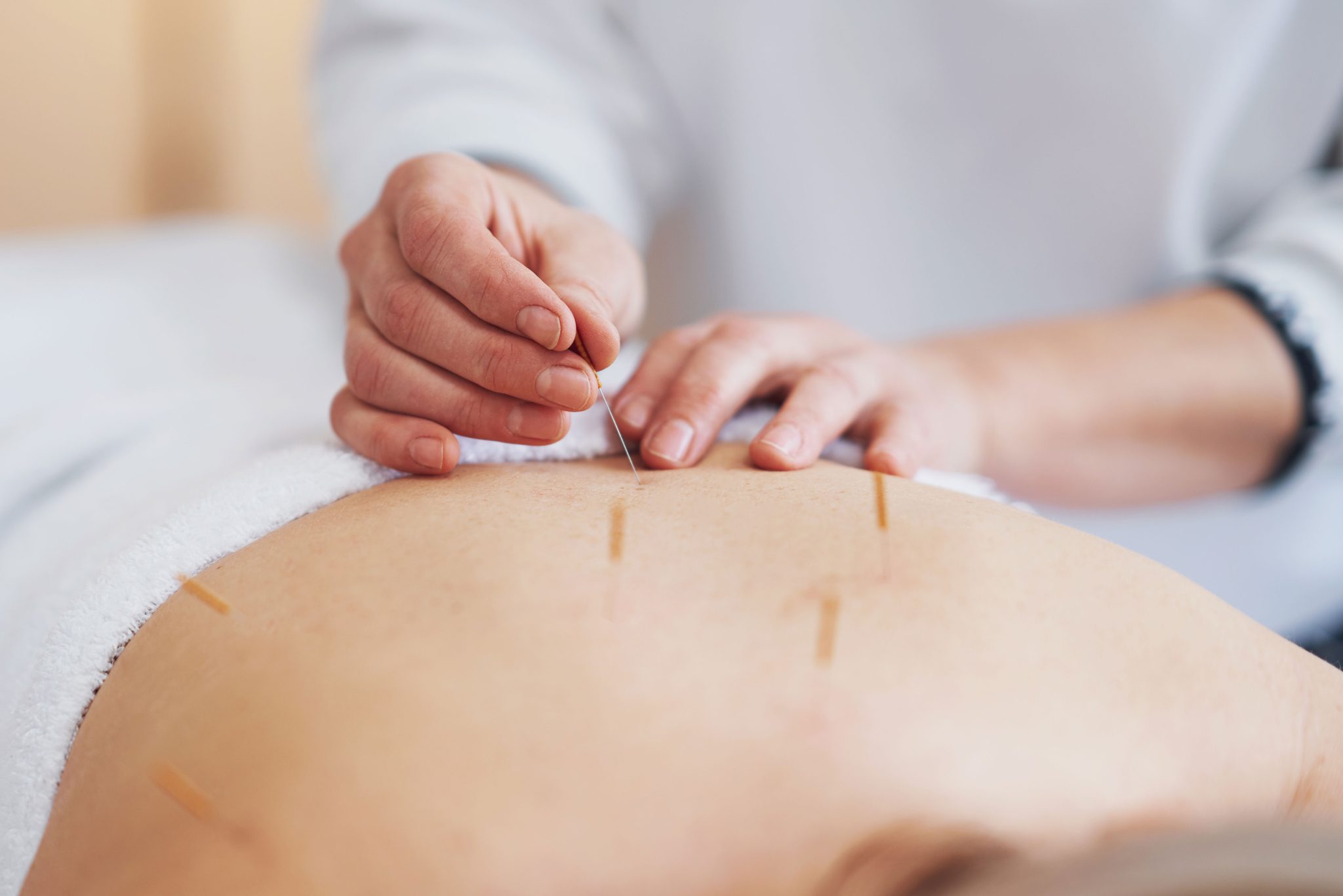

If you’ve ever scrolled through wellness content and stumbled across photos of athletes or celebrities with round red marks on their backs, you’ve probably already seen the aftereffects of suction cup therapy—even if you didn’t realize it. This ancient practice, also known simply as cupping therapy, has become a modern go-to for pain relief, muscle recovery, and detoxification. But before you book your first appointment, it’s worth understanding what suction cup therapy is really all about—how it works, what to expect, and whether it’s right for you.
Let’s dive into everything you need to know before trying suction cup therapy.
What Is Suction Cup Therapy, and How Does It Work?
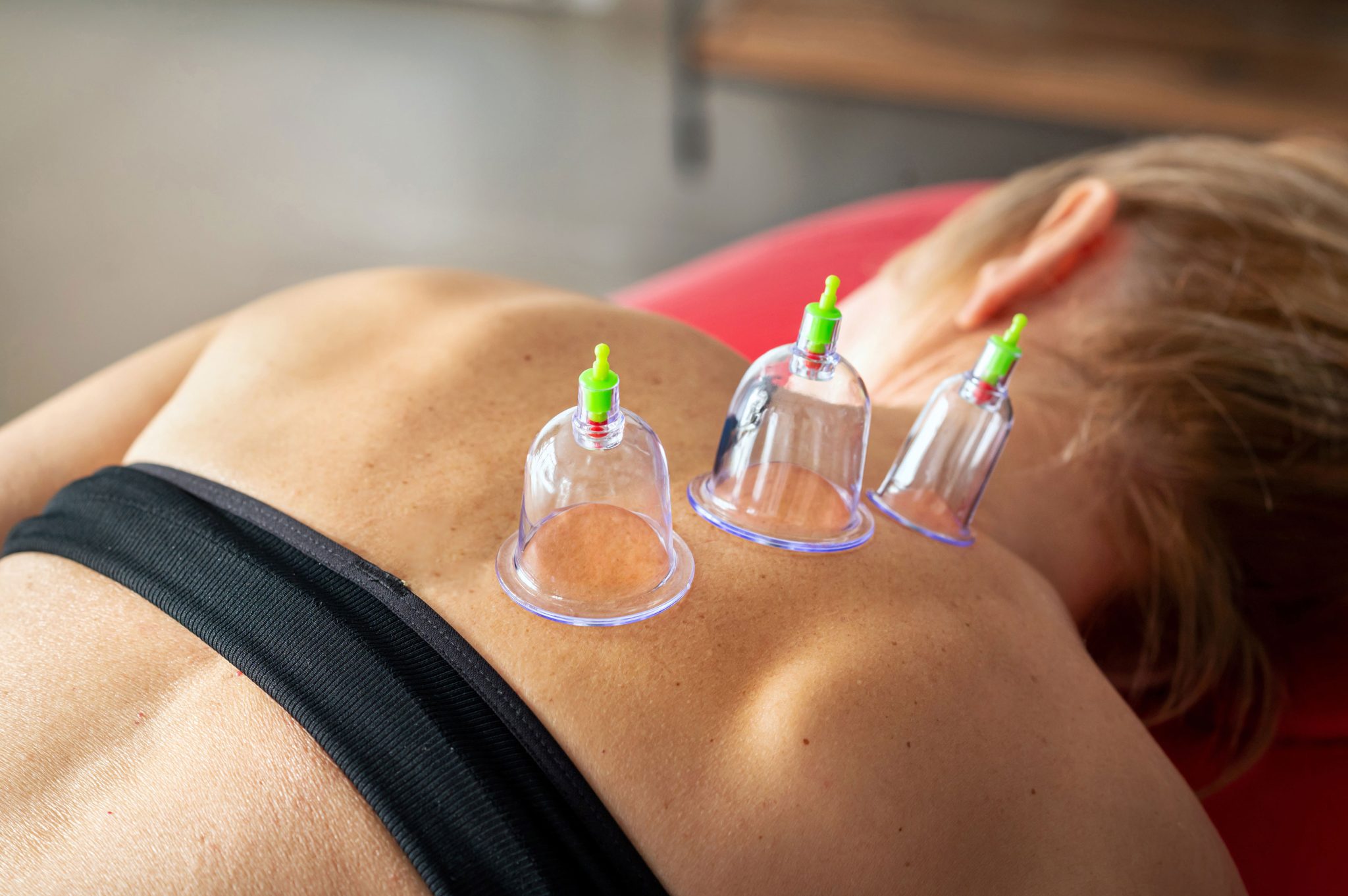
Suction cup therapy is a type of alternative medicine that involves placing cups on the skin to create suction. This technique is rooted in traditional Chinese, Middle Eastern, and Egyptian medicine, dating back thousands of years. In modern wellness circles, it’s used to stimulate blood flow, reduce inflammation, and encourage natural healing. The process works like this: the therapist places special cups—usually made of glass, silicone, or plastic—on your skin. A vacuum is created inside the cup either by heat or mechanical suction, which pulls the skin and underlying tissue upward. This stimulates circulation and may help release muscle tension or fascia restrictions.
The marks left behind? Totally normal. Those circular bruises are actually pooled blood brought to the surface from the suction and usually fade within a few days.
Why People Try Suction Cup Therapy (and Why It Might Work for You)
A lot of people turn to suction cup therapy for one simple reason: relief.
Whether you’re an athlete with sore muscles, a desk worker with chronic back pain, or someone curious about natural ways to support your health, cupping may offer some surprising benefits:
-
Pain relief (especially for the back, neck, and shoulders)
-
Improved circulation
-
Faster muscle recovery
-
Stress reduction
-
Improved range of motion
-
Detoxification
-
Boosted immune response (some people use it when they feel a cold coming on)
While scientific evidence is still catching up with anecdotal results, many people swear by their regular sessions. In fact, cupping is often used in combination with chiropractic care, massage, or physical therapy for a more holistic approach to healing.
Speaking of which—if you’re interested in natural ways to prevent injuries and manage pain, don’t miss our related article: Can Chiropractic Care Help Prevent Injuries & Pain?
What to Expect During Your First Suction Cup Therapy Session
Let’s keep it real—your first time can feel a little strange. Here’s what you can expect so there are no surprises:
1. You’ll Be Asked About Your Health History
Before anything begins, your practitioner should ask about your medical history, current symptoms, and health goals. This helps them decide where and how to apply the cups.
2. The Process Is Quick (And Not Painful)
Most sessions last 20 to 30 minutes. The sensation is often described as a deep pressure—not painful, just different. If anything feels uncomfortable, just say something.
3. You Might Leave With Circular Marks
These aren’t bruises in the traditional sense—they’re painless and will fade over a few days. It’s just a sign that blood has come to the surface. In traditional Chinese medicine, darker marks can indicate areas of stagnation.
Is Suction Cup Therapy Safe?
For most people, yes—suction cup therapy is considered safe when performed by a trained professional. That said, it’s not for everyone.
Avoid cupping if you:
-
Have a bleeding disorder or are on blood thinners
-
Have open wounds or skin infections
-
Are pregnant (unless your provider specifically recommends it)
-
Have a history of blood clots or certain cardiovascular issues
Always consult your healthcare provider before starting any new treatment, especially if you have underlying health conditions.
Tips Before You Try Suction Cup Therapy
Still on the fence? Here are a few tips that might help you decide (and prepare):
-
Hydrate before and after: Cupping promotes circulation and lymphatic drainage, so staying hydrated supports detox.
-
Wear loose-fitting clothing: You’ll likely have to expose your back, so be prepared.
-
Don’t schedule a workout afterward: Give your body time to rest and absorb the benefits.
-
Communicate with your therapist: If you feel pain, discomfort, or have questions—speak up!
Suction Cup Therapy vs. Other Holistic Treatments
How does suction cup therapy compare to other natural therapies like massage or chiropractic care?
| Treatment Type | Primary Focus | Best For |
|---|---|---|
| Suction Cup Therapy | Blood flow, detox, tension relief | Soreness, tight fascia, circulation |
| Massage Therapy | Muscle relaxation, stress relief | General tension, relaxation |
| Chiropractic Care | Joint alignment, nerve function | Spine health, chronic pain, posture |
Often, these treatments work best when combined. Many wellness clinics now offer packages that include chiropractic adjustments, massage, and cupping for a well-rounded approach.
The Bottom Line on Suction Cup Therapy
If you’re looking for a non-invasive, natural way to manage pain, support recovery, or simply feel better, suction cup therapy might be worth exploring. It’s not a miracle cure—but when done correctly by a qualified provider, it can be an incredibly helpful part of your wellness routine. Still have questions? Don’t hesitate to consult with a trusted holistic provider. And if you’re considering combining suction cup therapy with other treatments, explore our guide on Chiropractic Care for Injury Prevention to make an informed decision.
Ready to Try Suction Cup Therapy?
Looking to book your first session or just learn more? Reach out to one of our wellness professionals today. Your body might just thank you for it.